

How To Interpret the Digital SAT® Score Report
Check out this guide to learn about your SAT® total score, subscores, section scores, and more, so you know how to read your Digital SAT® score report!
Read More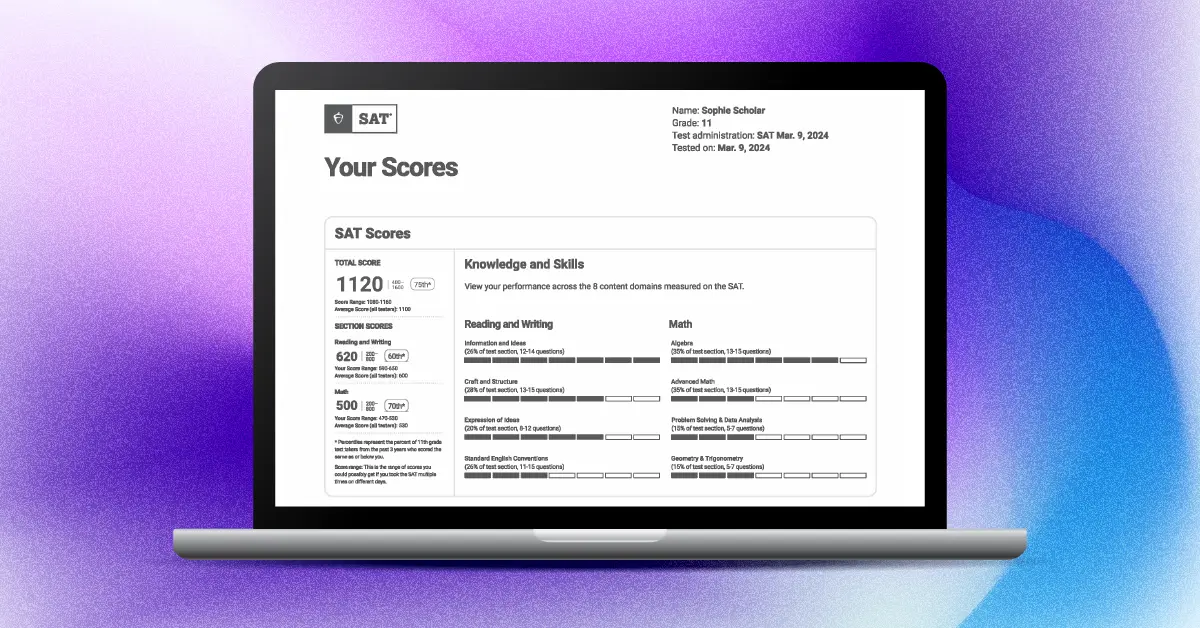

Learn ways to approach SAT® writing passages with informational graphics along with tips and examples to improve your SAT writing score

Learn why the second year of junior year is the perfect time to start your SAT® preparation. Read this article to know when you should start preparing for sat!

Learn about common pronoun-antecedent agreement errors in the SAT exam and useful tips to ace your SAT Writing exam. Read for more!

The College Board offers various testing accommodations/services for students with disabilities. See what is offered to SAT® students in this article.

Read to learn how to assess pronoun agreements on SAT® Writing with useful tips on fixing common errors.

Gearing up for the SAT® exam? Here’s how you can plan & prepare for the test right from registration through to submission of results.

Learn what a successful study plan looks like and how much time you should devote to SAT® prep in order to achieve effective results.
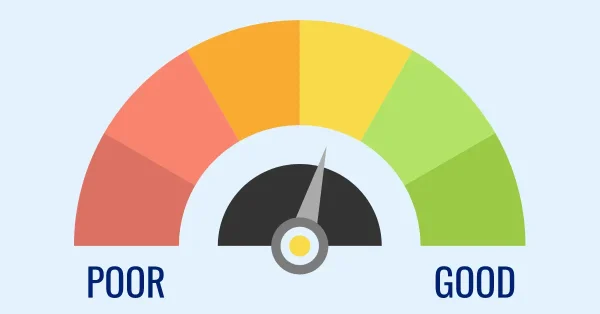
A low SAT score can negatively impact your college applications. Learn how to identify a bad SAT score and avoid getting one.

How does online SAT® prep maximize learning time and impact your scores? Let’s take a look!

Joining an SAT study group is a fun way to prep for the exam! Learn the pros & cons of an SAT study group as well as how to organize one in this article.