


How to Tackle SAT® Literary Fiction Passages | Tips, Tricks, and Strategies for 2026–27
Literary fiction passages on the 2026-2027 digital SAT® can feel tricky because they rely on tone, character insight, and implied meaning rather than simple facts. With a clear step-by-step strategy and targeted practice, you can read faster, avoid trap answers, and turn these questions into score boosters.

SAT® Experimental Questions | What They Are and Do They Count?
If you have ever taken a practice test and wondered, “Does the SAT have experimental questions?”, the short answer is yes. On the digital SAT, the College Board includes pretest (experimental) questions inside each module. They look like regular questions, but they do not count toward your score.
That is why it is smarter to understand how SAT experimental questions work than to waste time trying to spot them.

SAT® Word Choice (Diction) Questions | How to Spot and Fix Errors
SAT® word choice questions test how well you can recognize precise, accurate language in context. These questions focus on meaning, tone, and clarity rather than memorizing difficult vocabulary. Understanding SAT diction helps you avoid subtle errors that change an author’s intent. This guide breaks down how to identify common traps and fix word choice mistakes efficiently.

Hardest SAT® English (Reading & Writing) Questions
If SAT® English feels harder the closer you get to a high score, that’s not a coincidence. The hardest SAT Reading and Writing questions are designed to trip up even strong students by testing judgment, timing, and precision, not just grammar rules or reading ability. This page breaks down which questions are the hardest, why they feel that way, and how to approach them more effectively on the Digital SAT.

Subject Verb Agreement Questions on the SAT® RW Section | Practice Tips & Strategies
Subject-verb agreement is a crucial skill for achieving strong performance in the Digital SAT® Reading and Writing section. This guide explains the essential rules and common traps with SAT-style practice that help you master this grammar topic and boost accuracy across the exam.
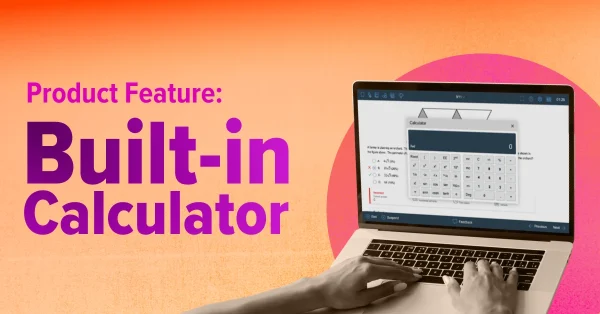
Digital Built-In SAT® Calculator Guide | Features, Usage, and Strategies to Score Higher
The Digital SAT® gives you one major advantage that previous test formats never had: a built-in Desmos-style calculator available on every math question. This guide walks you through what the Digital SAT built-in calculator is, how it works, and how to get comfortable using it during practice and on test day.

SAT® Reading History Passage Tips | How to Read Effectively
SAT® history passages can feel intimidating at first. These passages often include formal language and complex arguments from historical texts. This guide explains how SAT history passages work and shares practical tips to read them accurately and efficiently.

How Your ACT® Score Impacts Your College Admissions
Uncover the importance of ACT® scores in your dream college admissions—Here’s a list of Ivy Leagues & Top Colleges with scores for academic success.

‘90s Paper SAT® Tests: Where Are They Now?
Explore the evolution from the ’90s paper SAT® to today’s Digital SAT. Discover how modern accessibility and adaptability have revolutionized test prep.

Accessing the Digital SAT®: A Lesson in Possibilities
Discover how the new, accessible Digital SAT® and easy-access test prep can create a number of possibilities for all students!

High School Test Prep | Affordable Courses for Future Success
Concerned about the expenses of the college admissions journey? Explore budget-friendly SAT®, ACT®, and AP® high school test prep solutions.

Under Pressure: How to Deal with Test Anxiety
Discover strategies to overcome test anxiety and build confidence on the SAT® or ACT® with our help. Alleviate exam pressure and achieve success!

The Role of Your SAT® Score in College Admissions
Do colleges still look at SAT® scores? Yes, they do! Explore our tips to help you choose the perfect college.