What Is The Difference Between AP® Calculus AB & BC
If you’re in high school and are planning to enroll in AP® math classes, you will likely run into some confusion while selecting your AP Calculus courses. If you are in a dilemma about choosing between AP Calculus AB and AP Calculus BC, don’t fret! The first step in choosing the perfect course is to learn about the differences between AP Calculus AB and BC courses.
This article is here to help you clarify your doubts about choosing the right AP Calculus course. We’ve broken down the respective course curricula and content to help you understand which calculus course would best suit your learning aptitude and career interests. Read on!
AP Calculus AB vs. AP Calculus BC
So, what is the difference between AP Calculus AB and AP Calculus BC?
You should expect to cover a college semester’s worth of material in AP Calculus AB and a year’s worth of college calculus in AP Calculus BC. AP Calculus BC covers the same concepts and skills that AP Calculus AB covers, but at a quicker pace allowing it to cover additional units and topics that are not offered in the AP Calculus AB course curriculum.
AP Calculus AB topics
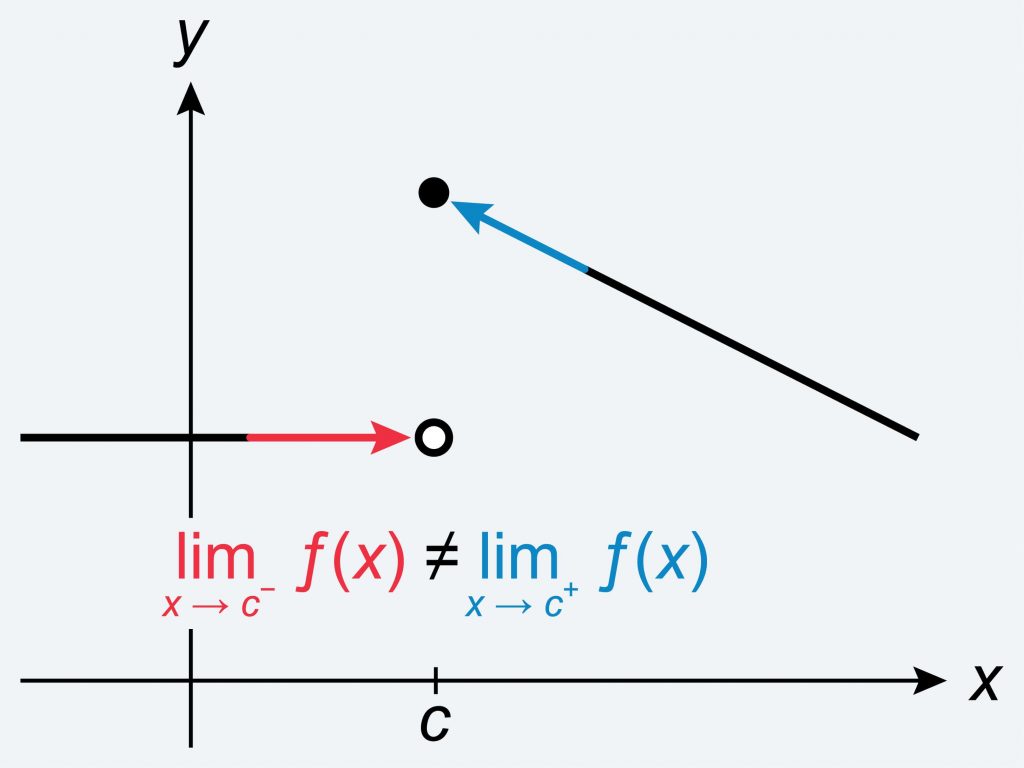
- Limits and continuity
- Intermediate value theorem
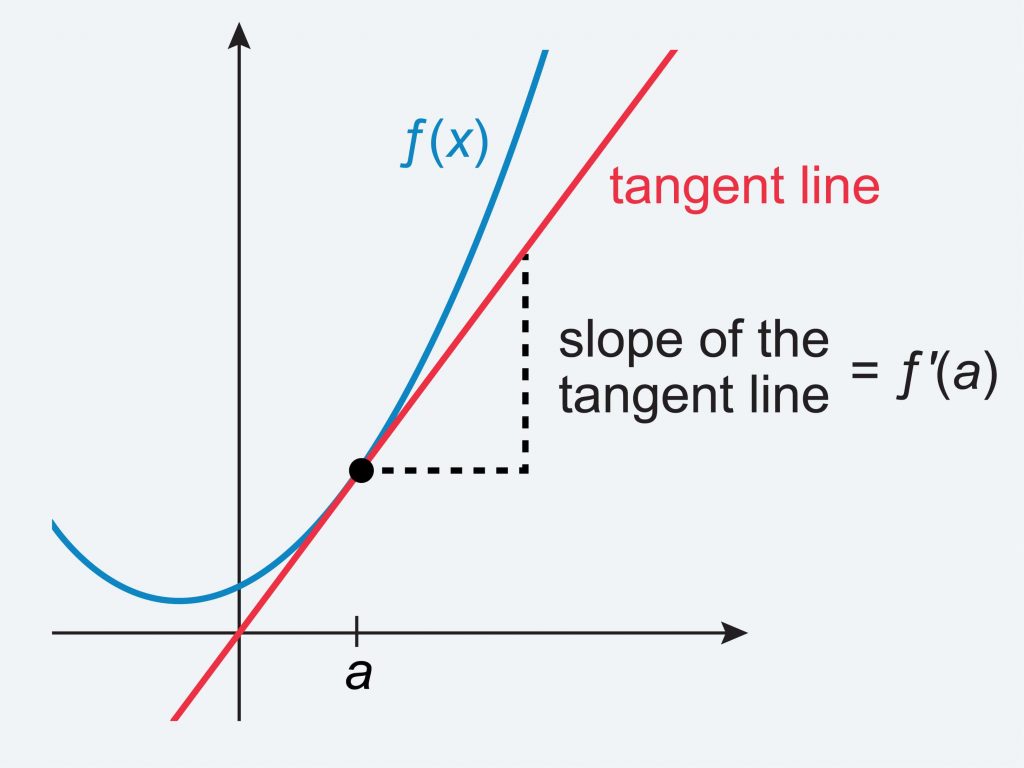
- Derivatives
- Differentiation and higher-order derivatives
- Real-world applications of derivatives including motion problems and rates of change
- Mean value and extreme value theorems
- Extrema, concavity, and other characteristics of graphs
- Optimization problems
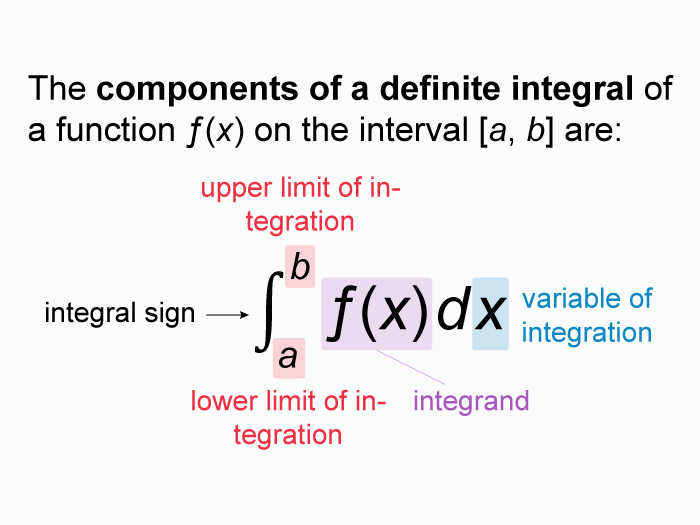
- Definite and indefinite integrals
- Fundamental theorem of calculus
- Differential equations
- Exponential growth and decay
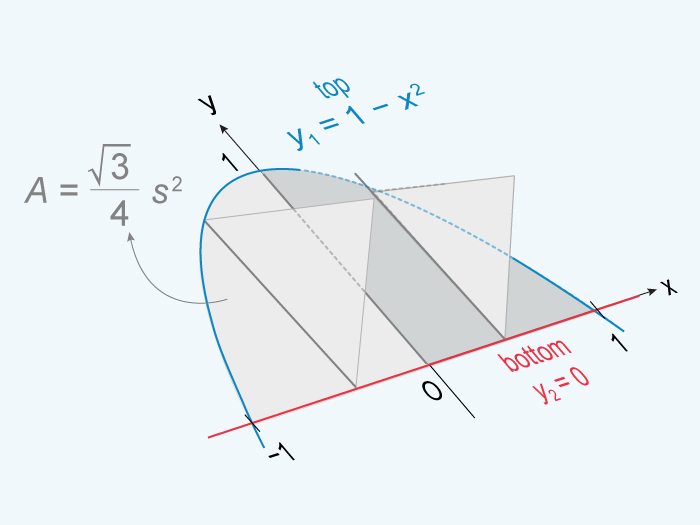
- Applications of integration
AP Calculus BC topics
In addition to the topics covered in AP Calculus AB, the following are additional topics covered in AP Calculus BC:
- Advanced integration techniques
- Euler’s method
- Logistic differential equations
- Parametric equations
- Polar coordinates
- Vector-valued functions
- Infinite sequences and series
With the differences outlined, we are now ready to decide which one is the right fit for you. The following section has a few more pointers to help you choose between Calc AB and BC.
Is it better to take AP Calculus AB or AP Calculus BC?
In addition to the differences in course content between AP Calculus AB and BC, choosing one over the other will require you to ask yourself, what are your career goals? If you’re planning to go to a STEM (Science Technology Engineering and Mathematics) program, then BC could give you a good head start on your required math. However, if you are planning a career that doesn’t require heavy math, you might be better off taking AB.Many students opt for AP Calc AB to get that pesky math course requirement out of the way! For example, business majors typically have to take a calculus course as part of their major because calculus has a lot of applications in economics. But they only need the concepts in Calculus I, so AB could be enough to get their math credits out of the way before going off to college. BC, however, doesn’t really help them.
Both Calc AB and BC are heavy-weight, fast-paced math courses that are on par with introductory college calculus. So, it is important to consider how rigorous your high school course load is outside of your math class before enrolling in the denser course. To set yourself up for success, you need to consider how much time you will have available for studying and developing your math skills.
Another great starting point in deciding which course is right for you is reflecting on your experience in precalculus. Precalculus is often a prerequisite for both AP Calculus AB and AP Calculus BC. If precalculus was easy for you, then AP Calculus BC may be a good fit. Was precalculus easy for you?
Some students take both courses. Note that you can use AP Calculus AB as a way to ease into AP Calculus BC next year. You should know that the College Board does not allow students to take the AP Calculus AB and the AP Calculus BC exams in the same year. Because of this, it is a good idea to take AP Calculus AB in your junior year of high school and AP Calculus BC in your senior year of high school (if you plan on testing for both of the AP courses).
Should I Take Both AP Calculus AB and AP Calculus BC?
You can take both courses, but you do not need to. If you are confident in your skills and performance in high school precalculus courses, then going straight on to AP Calculus BC may be a good idea in your high school course plan. On the other hand, opting for Calc AB is ideal if you are not sure about the rigor of a heavy-weight calculus course in addition to your high school classes. Remember, there’s no reason to burn yourself out! You could always take an AP class in the subsequent year to earn a year’s worth of math credits in college.
Remember that AP Calculus AB covers one semester of college-level work, while AP Calculus BC covers an entire school year of college-level work. AP Calc AB is equivalent to Calculus I in college, while AP Calc BC is equivalent to Calculus I and II. If you are taking AP courses to earn college credits, then enrolling in AP Calculus BC can offer up to a year’s worth of college-level math credits. But all of it depends on your learning habits, aptitude, and career goals.
In conclusion, the point of taking AP classes is to display your preparedness for college-level work. This means that you should select a class that will challenge you without risking your potential for success.
Is AP Calculus AB Harder or AP Calculus BC?
AP Calculus BC is more difficult than AP Calculus AB. Not only does it include additional topics, which requires an accelerated pace, but the additional units, especially Unit 10, tend to be more difficult than the Calc AB units.
However, if you look at the pass rates for these exams, you are likely to notice that the percentage of students scoring a 4 or a 5 is much higher in the AP Calculus BC exam as compared to AP Calculus AB.
| Scoring 4 & 5 in | 2021 | 2020 | 2019 | Average |
|---|---|---|---|---|
| Calculus AB | 31.7% | 39.4% | 37.7% | 36.20% |
| Calculus BC | 54.8% | 62.2% | 73.0% | 63.34% |
Do Colleges Prefer AP Calculus AB or AP Calculus BC?
Enrolling in AP Calculus BC is a good idea for students who are looking to go into math-heavy STEM careers. Reporting a high score on the AP Calculus BC exam will leave a great impression on college admissions. If you want to pursue a major in engineering, biology, chemistry, or natural science (including pre-medicine), then colleges will prefer to see that you have enrolled in the most rigorous courses and succeeded. Because of this, you should know that some schools and majors prefer to see AP Calculus BC on an applicant’s transcript.
With these pointers, you’re all set to choose the right AP Calculus course that fits into your study schedule and career plans. Remember that the golden road to success is not to burn oneself out, but to pursue the goal with perseverance and dedication!
Practice is key! With an efficient study plan, opt for a reliable Qbank and practice tests to test your skills. UWorld’s AP Online Prep Course is here to maximize your potential for success with AP Calculus exams. Good luck!