Why Parental Support Matters in SAT Prep
When parents actively participate in SAT® prep, students stay more motivated, organized, and confident. Whether it's checking in on progress or helping manage time, consistent parental involvement can increase accountability and improve SAT performance. The best SAT tools for parents are designed to make this support easier and more impactful.
What Makes a Good SAT Prep Tool for Parents?
The right resource should not only help your child prepare effectively but also give you clarity, structure, and confidence as you support them through the process.
A strong SAT prep tool for parents includes:
- Clear guidance and progress tracking so you can monitor improvements without guesswork.
- Aligned practice content that reflects the current Digital SAT format and difficulty level.
- Flexible study plans that fit your child’s schedule and learning pace.
- Engaging, student-friendly materials like videos, quizzes, and explanations to keep motivation high.
- Expert support or built-in feedback to help parents step in when needed, even without SAT or test-prep expertise.
What Are the Best SAT Prep Tools for Parents?
If you're exploring the best SAT apps for parents to monitor progress, the right choice depends on your child’s learning style and how involved you want to be. The list below features a mix of free, paid, digital, and printable resources designed to support different parenting approaches.
| Tool | Type | Best For | Key Features |
|---|---|---|---|
| UWorld SAT Prep | Paid / Digital | Data-driven support | Realistic practice, score tracking, section analysis |
| Khan Academy | Free / Digital | At-home learning | Custom study plans, official practice tests |
| College Board® Portal | Free / Official | Registration & test info | Practice questions, updates, deadlines |
| Kaplan / Magoosh (Other) | Paid / Mixed | Supplemental practice | Video lessons, app access, flexible plans |
| Printable Study Tools | Free / Printable | Shared planning | Calendars, checklists, shared goal setting |
UWorld SAT Prep
UWorld SAT Prep is a top-rated choice for realistic practice questions and detailed performance analytics. With tools like score predictors and section-based breakdowns, it gives parents clear visibility into their child’s progress.
Khan Academy (Official College Board Partner)
Khan Academy offers free SAT prep aligned with College Board standards. It includes full-length practice tests, personalized practice plans, and video lessons—making it ideal for parents supporting at-home learning.
College Board’s SAT Practice Portal
The College Board’s own platform provides official practice questions and test dates. Parents can use it to stay up to date on registration deadlines, SAT scoring policies, and their child’s test-day logistics.
Other Competitors
Platforms like Magoosh and Kaplan offer flexible study tools, video lessons, and scheduling features. These can complement your child’s main prep plan and are worth considering depending on your needs.
Study Planners & Printable Checklists
Printable SAT study planners, test calendars, and weekly checklists help students stay organized and keep parents looped in. Many of these tools allow for shared access so families can track goals together.
What Parents Should Avoid When Choosing SAT Tools
Not all SAT resources are equally effective. Some tools can waste time, create confusion, or fail to prepare students for the current Digital SAT format. Knowing what to avoid helps ensure your child gets the right support from the start.
Avoid SAT prep tools that:
- Aren’t updated for the Digital SAT or rely on outdated question types and paper-based strategies.
- Offer only surface-level practice without explanations, feedback, or opportunities to improve.
- Make unrealistic score promises, like “Guaranteed 1600 in one week!”
- Lack structure, leaving your child unsure what to study or how to track progress.
- Are overwhelming or confusing, especially those packed with excessive content but little guidance or support.
How to Choose the Right SAT Tools as a Parent
Finding the right tool starts with understanding how your child learns best. Do they thrive with structure or prefer flexible pacing? Are they visual learners or more verbal?
Understand Your Child’s Learning Needs
Each student is unique. Some do best with video explanations and interactive tools; others prefer printed planners or one-on-one tutoring. Identifying your child’s learning preferences helps you choose the most effective SAT parent tools that match their style.
Look for Tools with Parental Dashboards and Reports
The best SAT prep resources for parents include dashboards that track your child’s progress, highlight strengths and weaknesses, and offer weekly reports. These features help parents stay informed without micromanaging.
SAT Prep Tools and Apps Designed Specifically for Parents
The best SAT parent tools make it easier to stay involved—without hovering. These apps are designed to keep families connected, informed, and engaged in the test prep process.
Parent-Specific Tools (like ClassDojo, Remind, or SAT Companion Apps)
Some tools include features built just for parents:
- ClassDojo and Remind: Great for communicating with tutors or teachers
- SAT companion logins: Found in platforms like UWorld, allowing parents to monitor performance
- Shared study calendars: Let parents and students stay on the same page with schedules and deadlines
These tools help parents stay looped in, especially during busy school weeks.
Digital Flashcards & Vocabulary Tools Parents Can Join In On
Want to be more hands-on without taking over? Flashcard apps are a great way to join in:
- Use Quizlet or Anki to create custom vocab decks
- Review flashcards together for tricky topics like math formulas or reading vocabulary
- Make study sessions interactive without adding pressure
Collaborative tools like these offer low-stress ways to bond while studying.
Common Mistakes Parents Make During SAT Prep (and How to Avoid Them)
Even with the best intentions, some strategies can add pressure or slow progress. Understanding these common missteps can help you support your child more effectively and build a smoother, less stressful prep journey.
- Starting Too Late: Waiting until junior or senior year can leave students rushed and overwhelmed. The SAT works best with consistent practice over time, not cramming. Encourage an early start, even if it’s just exploring practice questions or taking a diagnostic test to establish a baseline.
- Focusing Only on Scores, Not Skills: It’s easy to fixate on numbers, but real improvement comes from strengthening skills like reading comprehension, algebra, vocabulary, and timing. Choose tools that explain mistakes, reinforce concepts, and help your child understand why an answer is correct, not just whether it is.
- Using Too Many Resources at Once: Some parents assume more books, apps, or courses equal better preparation. In reality, juggling too many tools can fragment learning and create confusion. Instead, select one or two quality, structured resources and stick with them for consistency.
- Treating SAT Prep Like a High-Pressure Countdown: Pressure can hurt confidence and motivation, especially if the test becomes a daily stress topic. Instead of framing prep as a race or performance test, help your child set goals, track progress calmly, and celebrate small wins along the way.
Additional Supportive Strategies for Parents
Beyond tools and apps, small changes at home can make a big difference. These strategies offer meaningful SAT support for parents looking to encourage effective study habits and a positive mindset:
| Strategy | Why It Helps | How to Do It |
|---|---|---|
| Plan a Weekly Study Schedule | Keeps prep consistent & manageable | Sit down Sunday evening and map out 20–30 min review blocks |
| Create a Distraction-Free Zone | Boosts focus and mental readiness | Designate a quiet, phone-free area for study only |
| Use Reward Systems | Reinforces good habits, especially early on | Try “3 days of study = 1 weekend outing” or similar incentives |
| Be Available but Not Overbearing | Builds trust and independence | Offer check-ins, not critiques. Let them lead. |
How UWorld Empowers Both Students and Parents
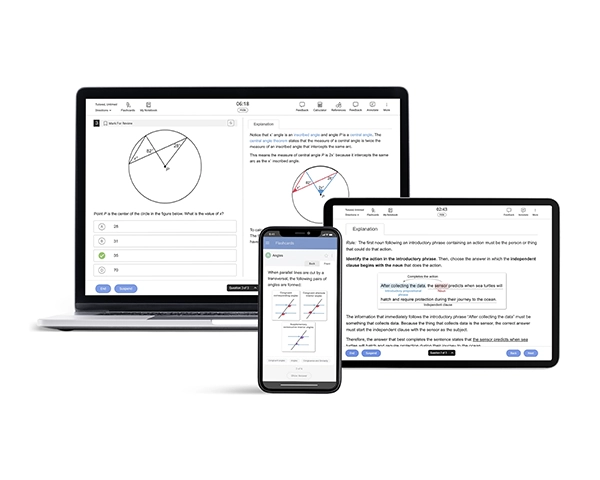
UWorld’s SAT prep course provides a structured learning system designed to support both students and parents throughout the preparation journey. Whether your child prefers independent study or guided practice, UWorld gives families the clarity and insights needed to stay on track.
- Parent-Friendly Progress Insights: With detailed performance reports and score prediction tools, you’ll always know where your child stands. These reports break down strengths and areas of improvement, helping you offer support without guessing or micromanaging.
- UWorld SAT Study Guide: The Study Guide breaks down every SAT concept in a way that’s easy to follow, helping your child master the skills tested on the Digital SAT; not just memorize test tips. It covers essential content areas, timing strategies, and question expectations while offering built-in knowledge checkpoints to reinforce understanding. For parents, it turns SAT prep into a clear roadmap, making it easier to support routines, set goals, and track meaningful progress.
- UWorld SAT QBank: The QBank offers hundreds of high-quality practice questions modeled after the real Digital SAT, each with step-by-step, explanation-based learning. Even if you’re not familiar with the test content, the reasoning breakdowns make it easy to understand what your child missed and how they can improve.
Together, these tools help bridge guided learning and student independence, making UWorld one of the most supportive and effective SAT resources available for parents today.
Final Tips: Be a Coach, Not a Critic
Your support matters more than you know. Encourage progress, celebrate effort, and stay calm when things get tough. The best SAT prep happens in an environment where students feel supported, not pressured.
A simple mindset shift from “manager” to mentor can boost your child’s motivation and confidence more than any app or checklist.
Frequently Asked Questions (FAQs)
What’s the best way for parents to get involved in SAT prep?
Focus on supportive, consistent involvement by setting routines, tracking progress, and offering encouragement without micromanaging.
Do I need to understand SAT content to help my child?
Not at all. You can support with planning, structure, and emotional encouragement. Many tools like UWorld provide explanations that are easy for parents to follow too.
How much time should my child spend preparing for the SAT?
It depends on their starting score and goals, but a general rule is 1–2 hours a day for 2–3 months. Having a clear SAT study plan helps.
How can I motivate my child without adding stress?
Start by having positive, open conversations about goals rather than focusing on pressure or deadlines. Encourage effort, not just scores, and celebrate progress along the way. Creating a balanced routine with small, achievable milestones can also make prep feel manageable and motivating.
How can parents support SAT prep without micromanaging?
Instead of hovering, act as a facilitator. Help set a study schedule, provide access to quality tools, and check in periodically. Allow your child to take ownership of their prep while being available for encouragement and logistical support. Trusting them to manage their time builds confidence and accountability.
How many hours per week should my child study for the SAT?
Most students benefit from 3–6 hours per week of focused, consistent practice, depending on their timeline and target score. More important than long sessions is regularity. Short, structured study blocks with review and SAT practice tests lead to better improvement than last-minute cramming.