AP® World History: Modern Unit 9 Review and Practice Test
Study AP® World History Unit 9 with clear lessons, study guides, and practice test questions that explain globalization, modern connections, and technological change to help you prepare with confidence.
Level Up Your Skills with an AP World History Unit 9 Review
AP® World History Unit 9 explores globalization and how societies became more connected after 1900. You’ll learn how technology, trade, migration, and culture reshaped global systems and influenced modern life. This AP World Unit 9 review gives you a clear understanding of how local and global developments intersect.
Engaging Video Lessons
AP World History Unit 9 video lessons break down globalization in simple, visual ways. You’ll see how new technologies boosted communication, how global trade expanded, and how major institutions shaped political and economic cooperation. These AP World Unit 9 review videos use quick explanations, diagrams, and real examples to show how the modern world became interconnected.
Interactive Study Guides
AP World History Unit 9 study guides organize complex ideas into simple summaries that help you see how globalization unfolded. You’ll review AP World History Unit 9 vocab, international agreements, demographic changes, migration patterns, and cultural interactions that defined the late 20th and early 21st centuries.
Check Your Skills with AP World History Unit 9 Practice Tests
Passage
"Whereas, for developing countries with macroeconomic problems…the International Monetary Fund (IMF) offers Enhanced Structural Adjustment Facility (ESAF) loans*…
Whereas, according to the IMF, these concessional loans** are intended to offer a path to economic recovery…through the imposition of structural adjustment policies…
Whereas the IMF and the International Bank for Reconstruction and Development (World Bank) have imposed structural adjustment programs on most sub-Saharan countries since the 1980's;
Whereas ESAF loan conditions have led to mandating massive layoffs, reduced availability of credit, increased taxes and interest rates, and reduced government spending on education and other basic needs;
Whereas economic growth has been slower for ESAF than non-ESAF developing countries and per capita income has declined for African countries under ESAF…
Whereas the external debt burden of sub-Saharan Africa has increased by nearly 400 percent since 1980, when the IMF and World Bank began imposing their structural adjustment programs…
Whereas sub-Saharan Africa spends twice as much on debt interest payments as on health care…
Whereas…the IMF is proposing to make ESAF self-financed [and permanently funded] through sales of its gold reserves…
Now, therefore…it is the sense of Congress that…
(2) poor countries whose people are struggling daily to meet their basic needs should no longer have to go through years of harsh IMF-imposed policies…
(4) any proceeds from the sale or other conversion of IMF gold stocks should go directly to cancel debts owed to the IMF and not to programs controlled by the IMF or the World Bank."
US Representative Sherrod Brown, House Resolution 132, 1999
Question
Based on your knowledge of world history, which of the following can be inferred about the purpose of the International Monetary Fund?
| A. It funds politicians' campaigns in less developed countries | |
| B. It directly engages in resolving political conflicts between African nations | |
| C. It formed with the goal of facilitating international economic cooperation | |
| D. It was primarily interested in stopping Africans' migrations to Western Europe |
Explanation
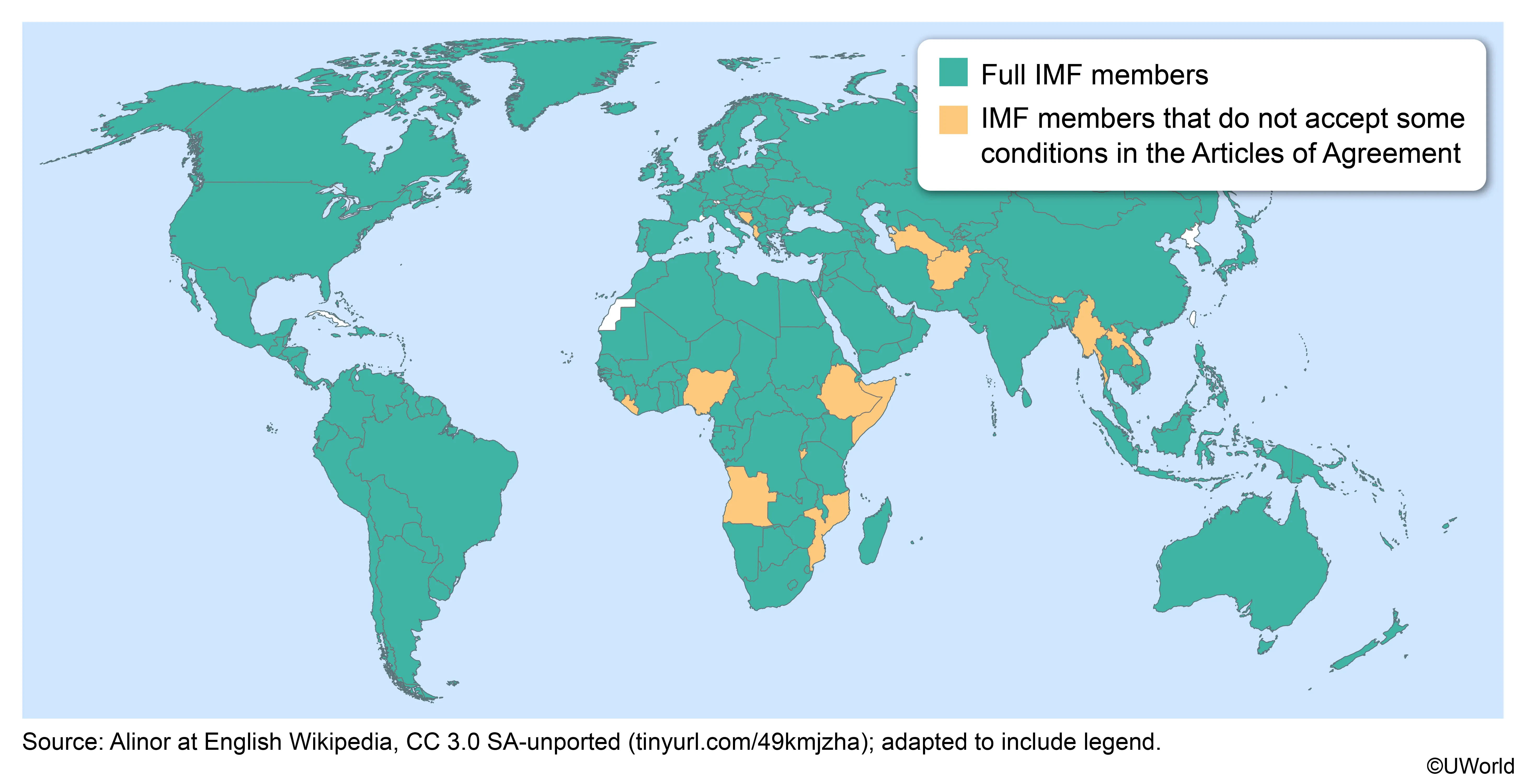
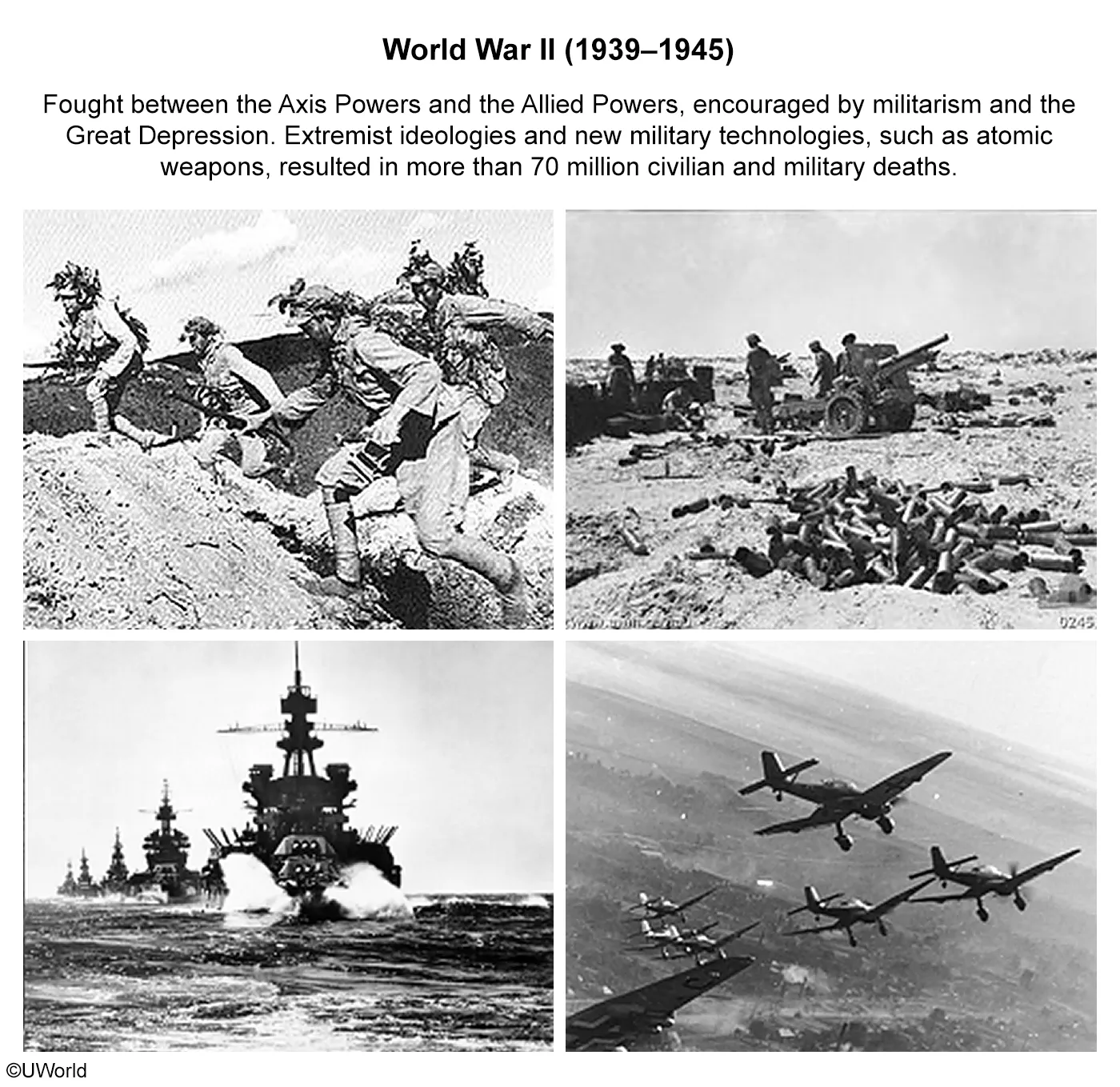
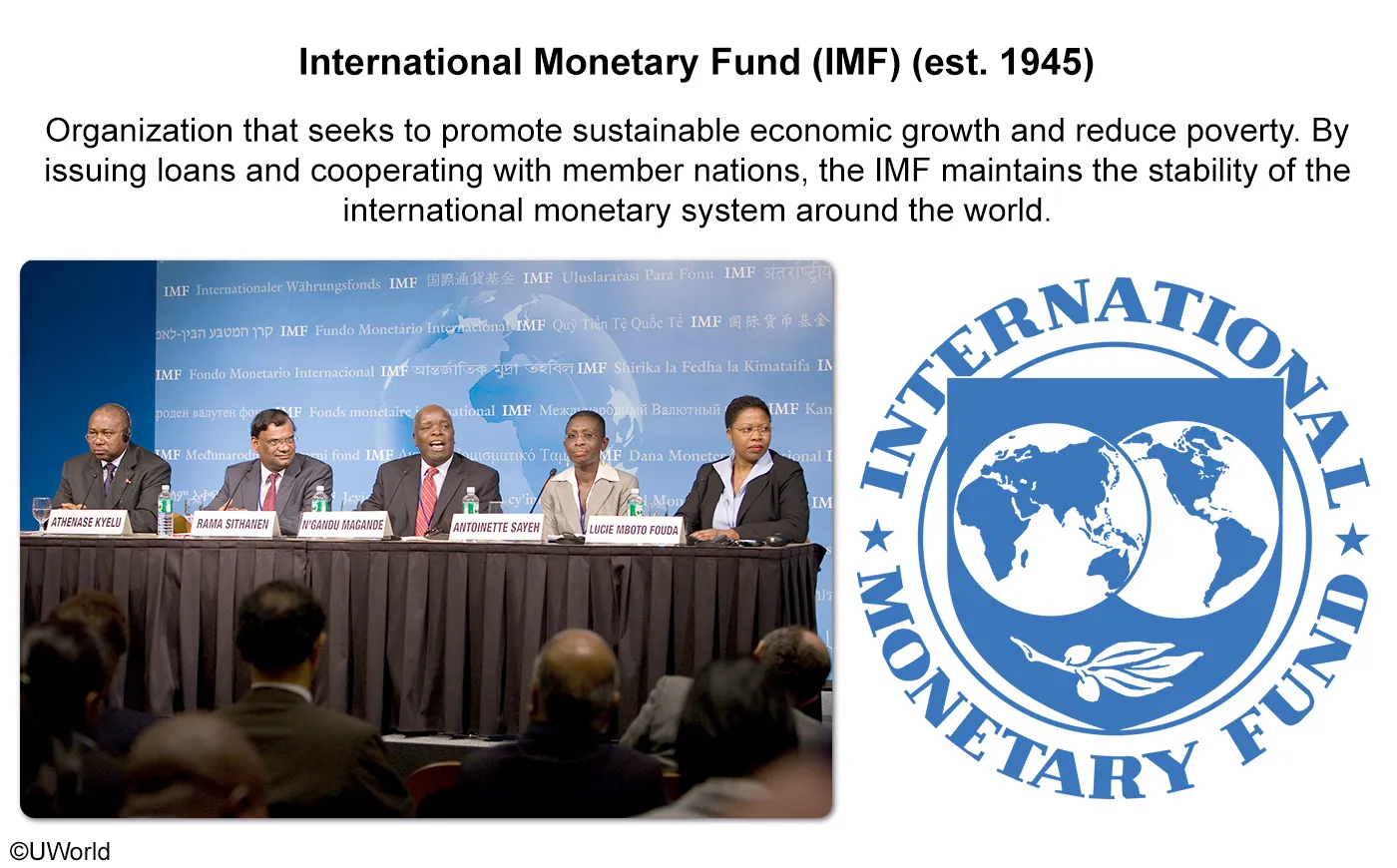
WWII caused economic devastation that severely impacted individuals and nations. Before the war's end, world leaders met at the Bretton Woods Conference to address the unfolding economic disaster. Agreements emerged from the conference that led to the creation of the International Monetary Fund (IMF), whose main purposes included:
- stabilizing currency exchange rates.
- facilitating international monetary cooperation.
- providing loans and encouraging policies to increase international trade.
Following its creation, the IMF's loans and technical expertise helped countries maintain their import capacity and ease trade constraints; countries were then better able to avoid trade flow disruptions during economic downturns. Therefore, it can be inferred that the IMF formed with the goal of facilitating international economic cooperation to help the world recover from WWII's economic destruction.
(Choice A) The IMF is not permitted to fund individual political campaigns, a type of financing activity that is typically regulated by the laws of each country.
(Choice B) The IMF's primary role is to promote global financial stability; therefore, the organization does not directly engage in resolving political conflicts.
(Choice D) Although the IMF's strategies may have impacted African migration patterns, the organization's policies are intended to influence national economies, not migration.
Things to remember:
After WWII, the International Monetary Fund was created with the goal of facilitating international cooperation with regard to currencies and international trade.
Passage
"The greater portion of all city inhabitants are now, as always, handworkers; they constitute the bulk of population, and are, as a rule, dependent on their daily earnings for support…. The item of rent is one of his chief and most immediate concerns, and the premium he is forced to pay to another for the right to land and living presses constantly on his resources. Should he lose his employment and default in the rent, he is liable to eviction; and numerous cooperating causes, as sickness, decreased earning power, an increasing family, etc., all tend to force him to narrow his living space on the earth, and as this shrinks, his share of pure air and sunshine dwindles likewise, for virtually they, too, are owned by the landlord.
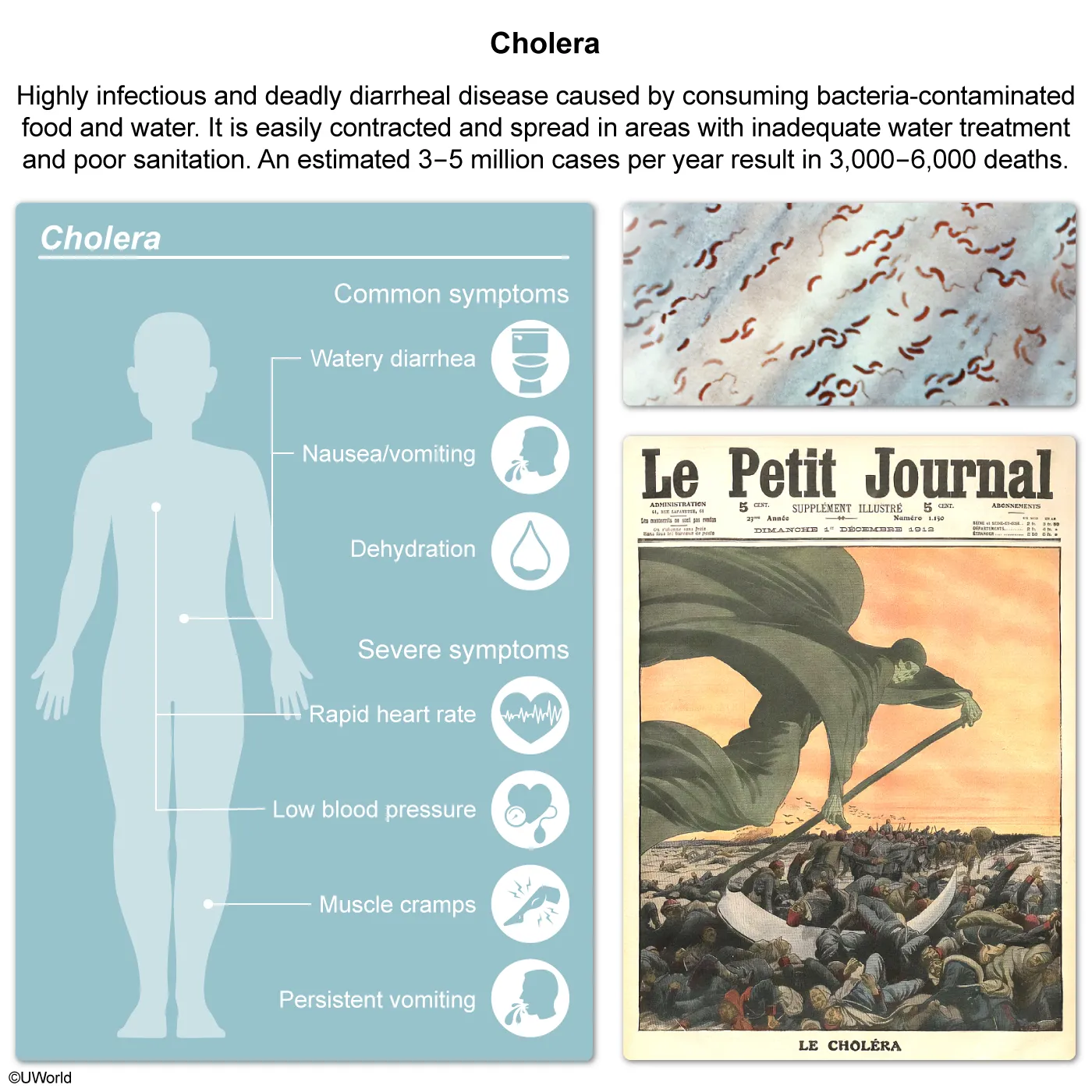
Such an example is only one of many that might be sketched of those suffering today from like causes, and where such a general state of affairs exists the genesis of plague spots is easy, for infection thrives amid uncleanness and want, darkness and damp, and soon takes on most potent forms and powers…. This fully accords with the experience of physicians and sanitarians, whose observations show the development of the most dangerous diseases amid conditions of human overcrowding, the germs of which so produced may swiftly infect nearly the entire susceptible population."
George Homan, American physician, remarking on
America's large cities, 1893
Question
Which of the following was an important continuity in global societies between 1750 and 1900?
| A. The persistence of diseases associated with poverty | |
| B. The United States produced most of the world's consumer goods | |
| C. The growth of national economies using World Bank monetary policies | |
| D. The decreased reliance on free labor systems |
Explanation
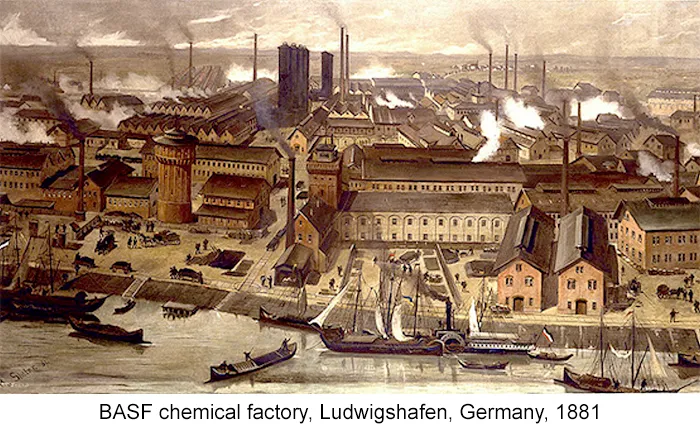
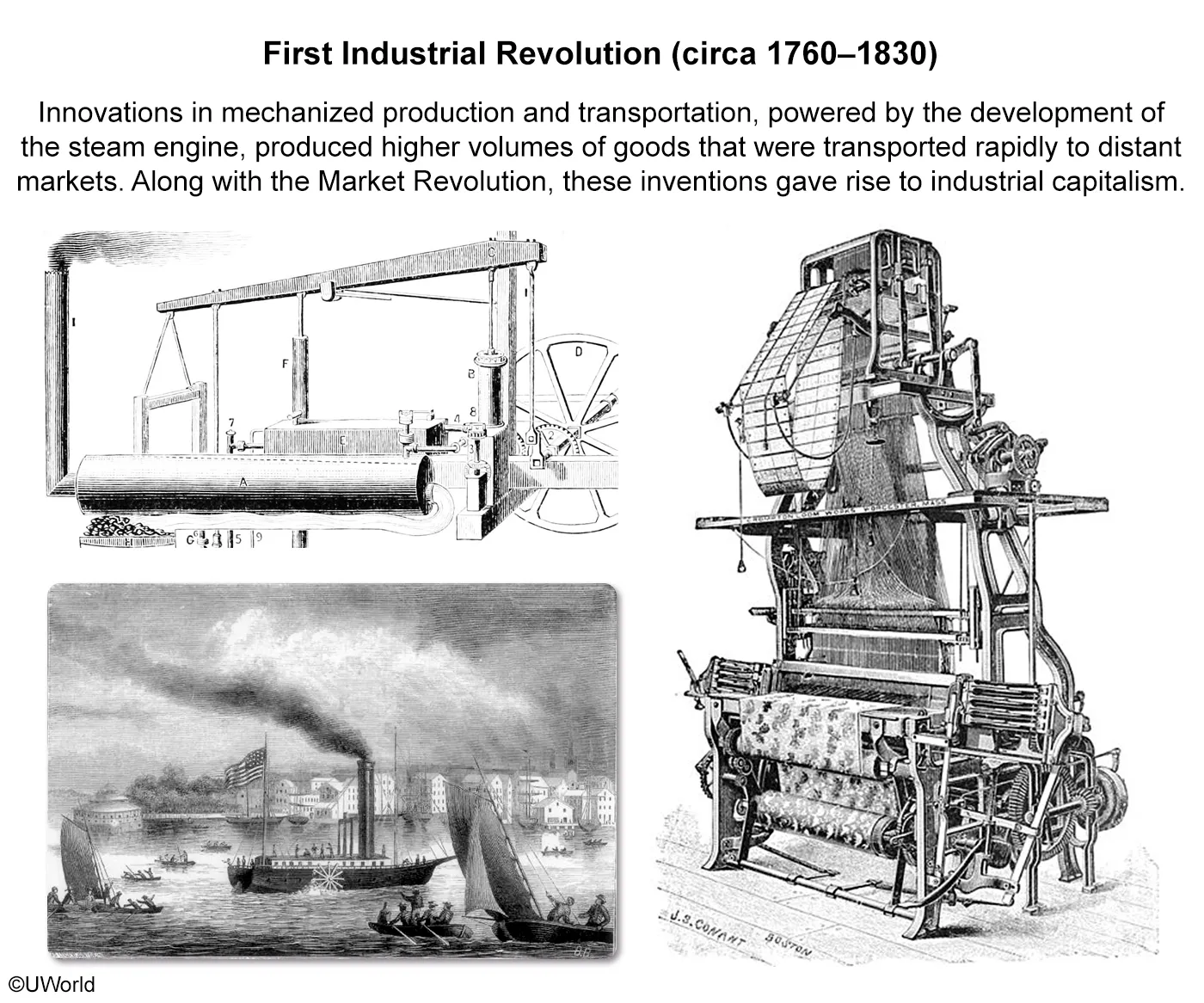
Since prehistoric times, diseases have made an impact on human societies—rich and poor alike. Over time, this trend on the broad societal impacts of diseases had continued. However, the benefits of urbanization and industrialization that resulted from the Industrial Revolutions primarily helped the middle class and social elites. For example, industrialization enabled the development of suburbs, which allowed the wealthy to isolate themselves from the pollution and epidemic diseases associated with crowded cities.
The working poor, a segment of society impacted the greatest by disease, were left in the filthier urban and industrial environments, where diseases were more prevalent. For example, occupational diseases such as lung cancer impacted industrial laborers such as chimney sweeps.
As industrialization progressed into the 20th century, uneven urban development, combined with enhanced science education for the wealthy, increased the disparity between the rich and the poor. As a result, the persistence of diseases associated with poverty was an important continuity in global societies between 1750 and 1900.
(Choice B) Great Britain, not the US, produced the majority of the world's consumer goods between 1750 and 1900.
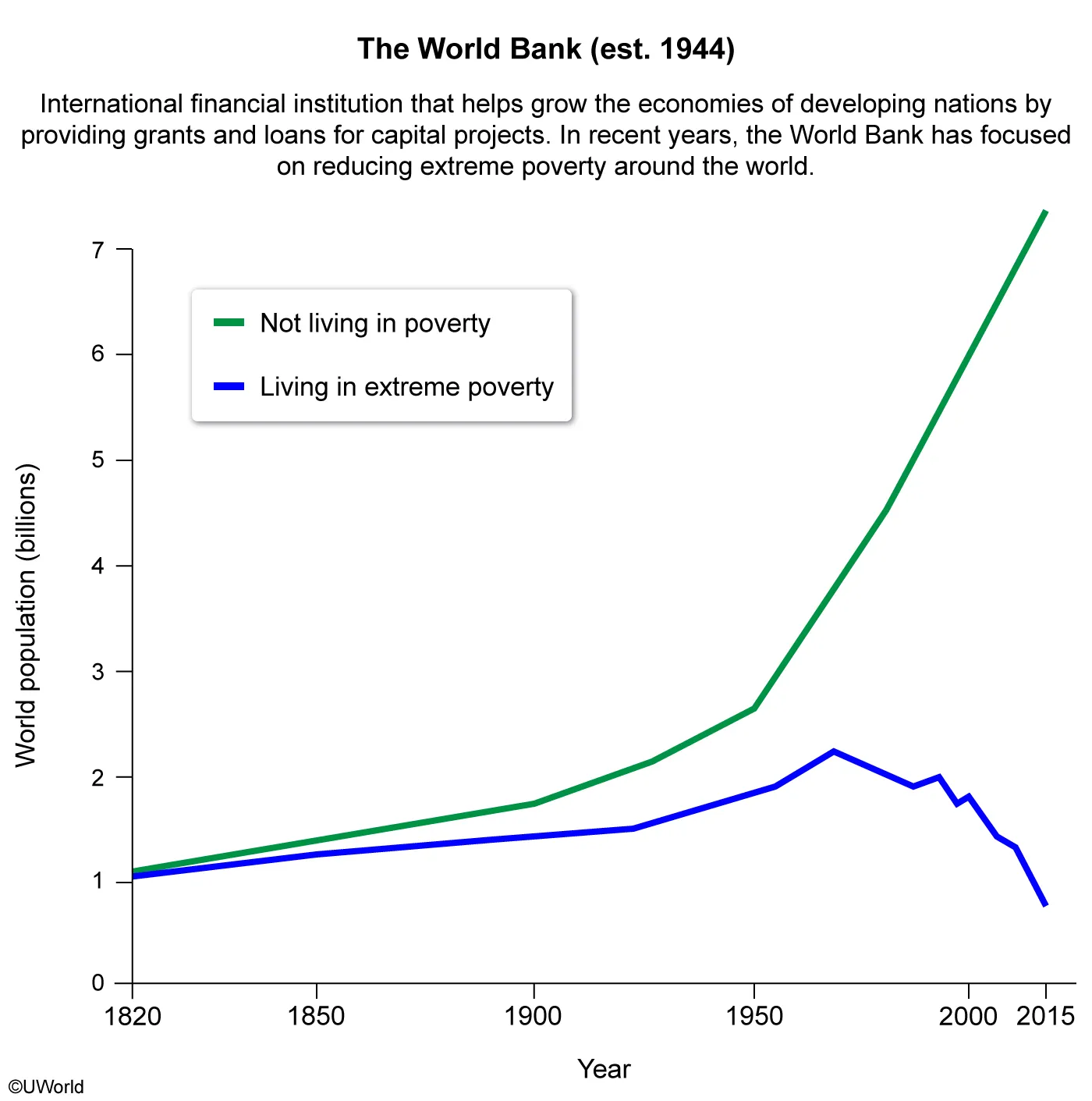
(Choice C) The World Bank and its monetary policies were created after 1900.
(Choice D) Following the abolishment of slavery, the reliance on free labor increased.
Things to remember:
Between 1750 and 1900, the quality of life improved for some, while the Industrial Revolution negatively impacted the poor. As a result, diseases persisted throughout industrial societies.

Question
The artist would most likely argue that the pollution of the oceans alluded to in Image 1 is in large part the result of which of the following?
| A. The return of the manorial system in western Europe | |
| B. The increasing demand for energy resources | |
| C. The founding of the World Bank | |
| D. The rejection of materialism |
Explanation
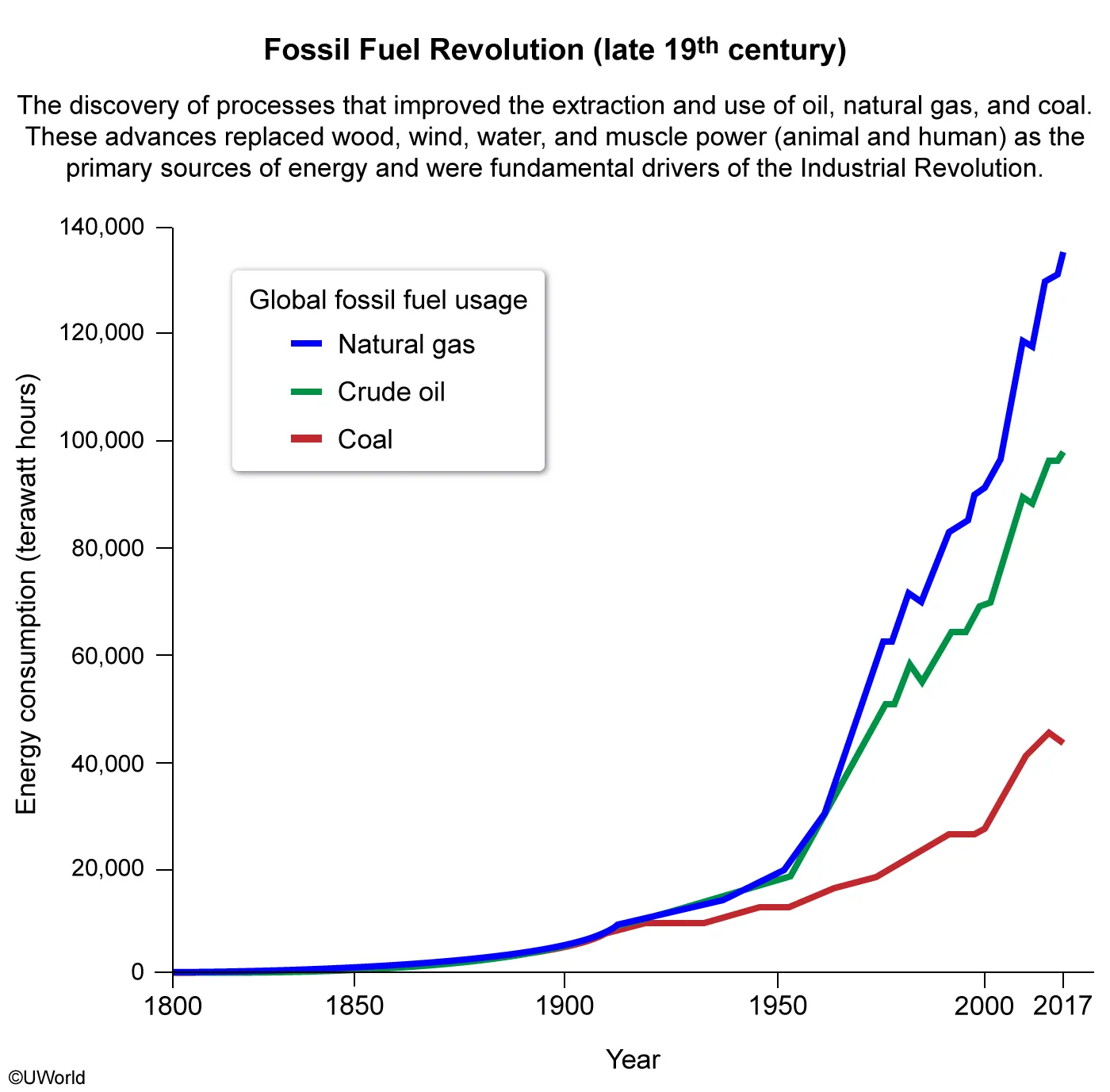
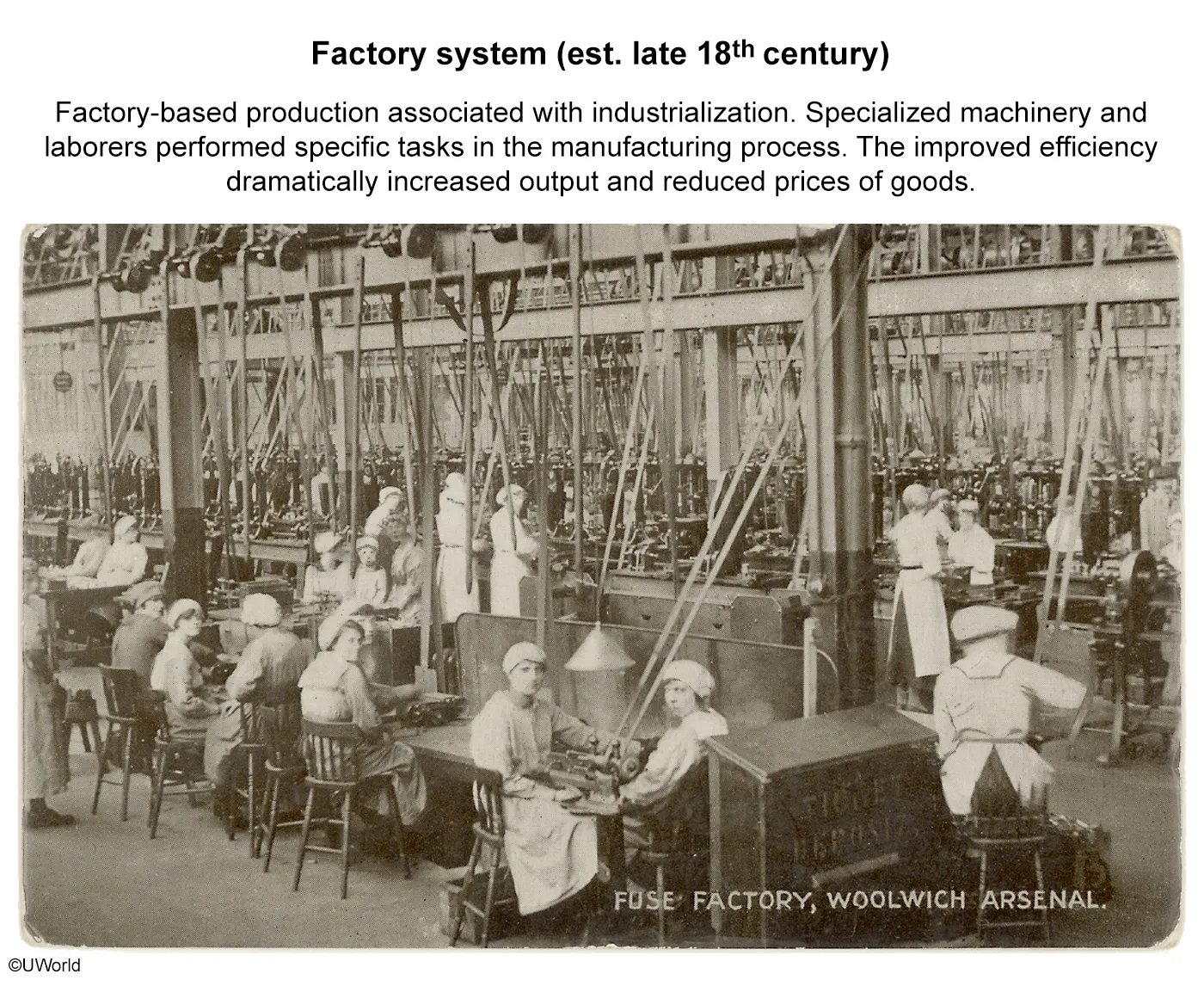
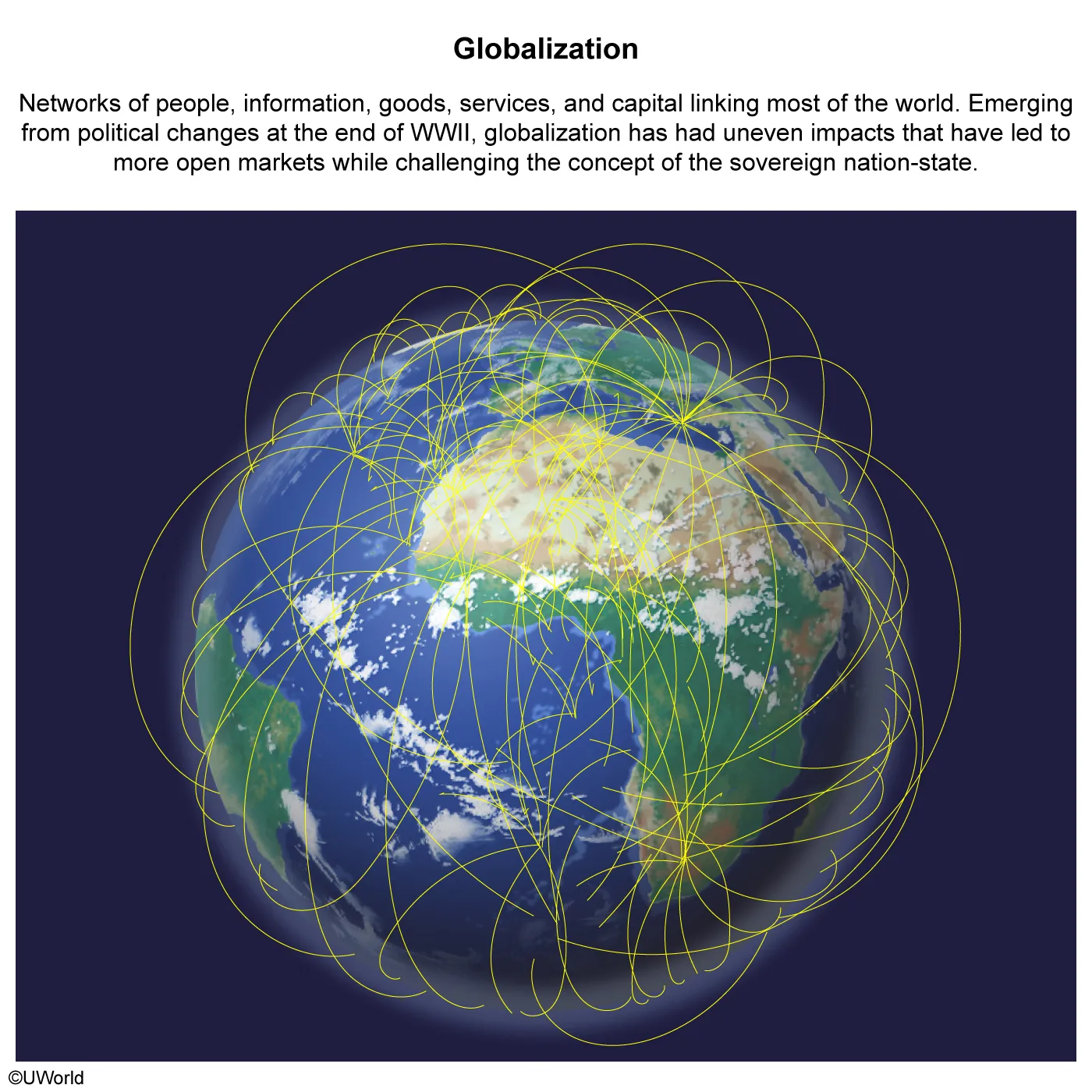
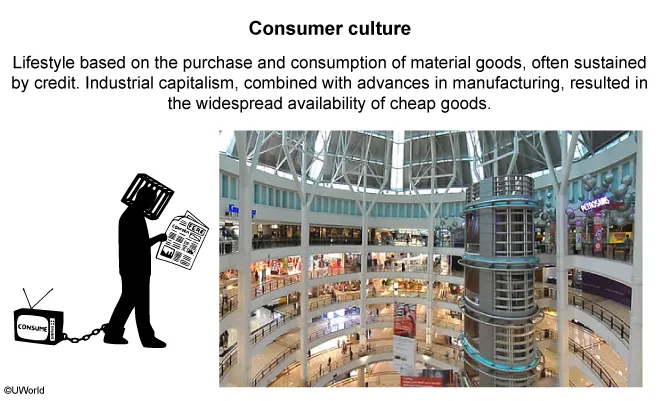
Beginning in the late 19th century, the fossil fuel revolution and the Second Industrial Revolution expanded the manufacturing system. By the 21st century, improvements in manufacturing and globalization increased production of consumer goods, which led to a global consumer culture.
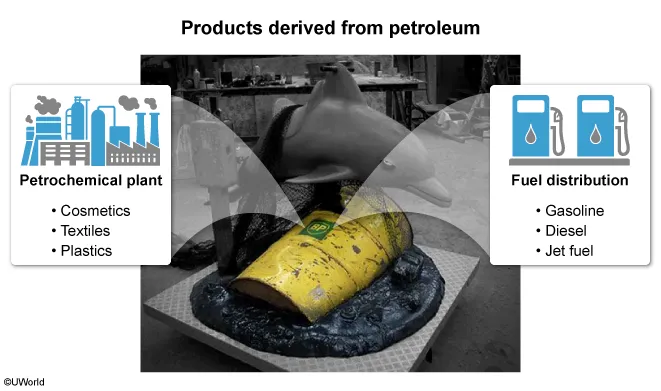
As consumerism increased, so did the demand for energy and raw materials required to produce goods. The extraction of petroleum significantly expanded due to its energy-producing capabilities and use in consumer goods, such as plastics and industrial chemicals. The increased demand for petroleum caused companies like British Petroleum (BP) to tap new reservoirs deep below the ocean's surface.
In 2010, BP's Deepwater Horizon drilling platform exploded, resulting in 11 deaths and the spillage of roughly 4.9 million barrels of crude oil into the Gulf of Mexico. The art shown in Image 1 is a direct criticism of this disaster. Therefore, it's likely that Banksy would argue that increasing demand for energy resources resulted in the Deepwater Horizon disaster and the ocean pollution alluded to in Image 1.
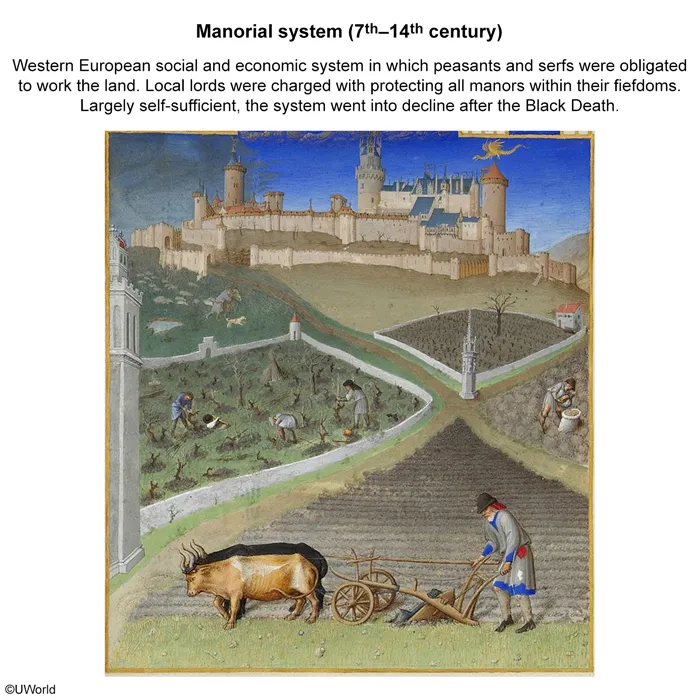
(Choice A) Western Europe's manorial system declined in the 14th century and was virtually eliminated by the end of the 18th century.
(Choice C) While the World Bank may have impacted the energy sector, its founding was aimed at helping developing nations grow their economies after WWII, not pollute oceans.
(Choice D) The embrace, not the rejection, of materialism contributed to the conditions of the ocean depicted in Image 1.
Things to remember:
Beginning in the 20th century, global consumer culture dramatically increased the demand for petroleum used to produce material goods such as plastics and synthetics. This reliance on petroleum negatively impacted the environment.

Study Anywhere, Anytime
Use the UWorld app to fit AP World History Unit 9 review into your day on the bus, between classes, or during a short break. You can watch quick lessons, complete practice questions on globalization, or skim a study guide to reinforce key ideas. Everything stays synced across devices, making it easy to study anywhere.
Stand Out
with a Top Score in AP World History: Modern
Finish your AP World History Unit 9 review and continue mastering all units with UWorld. Our AP World History course is designed to boost your performance and help you impress admissions.
Get our all-in-one course today!
- Focused APWHM Videos
- Print & Digital Study Guide
- 500+ Exam-style Practice Questions
- Customizable Quiz Generator
- Adjustable Study Planner
- Realistic Timed Test Simulation
- Colorful Visual Explanations
- Progress Dashboard
- Smart Flashcards
- Digital Notebook
Hear From Our AP Students
UWorld’s service is pretty good and helps provide a lot of explanations on subjects I haven’t been confident on before.
The questions here are the most realistic to the AP tests I've seen so far! I appreciate the ability to customize tests as well.
The best part is that all options are well-explained, telling clearly why they are not the right option.
Frequently Asked Questions (FAQs)
What are the main topics covered in AP World History Unit 9: Globalization?
AP World History Unit 9 focuses on how the world became increasingly interconnected after 1900. This unit explains how technology, culture, economics, public health, and global institutions changed daily life and shaped modern society.
Key topics include:
- Advances in technology and their effects: New communication and transportation tools accelerated global connections and reshaped economies.
- Disease: Pandemics and medical breakthroughs affected population trends, public health, and global cooperation.
- Environment: Climate change, pollution, and resource use pushed nations to confront shared environmental challenges.
- Economic change: Global trade, multinational corporations, and new economic policies increased worldwide interdependence.
- Movements for reform: Social, political, and human rights campaigns expanded across borders through global networks.
- How globalization changed culture: Media, food, art, fashion, and entertainment blended across regions to create shared cultural experiences.
- New international institutions: Organizations like the UN, WTO, and IMF shaped global decision-making and encouraged international cooperation.
On the exam, these themes appear frequently in AP World History Unit 9 MCQs, SAQs, DBQs, and LEQs, especially questions on technology, environment, economics, and cultural exchange.
How should I prepare for an AP World History Unit 9 exam?
The best way to study for AP World History Unit 9 is to focus on how globalization shaped technology, culture, migration, and international politics. Start by reviewing how the world shifted after 1900 and how new connections changed daily life.
A simple method is the Read–Watch–Practice approach.
- Read: Review a Unit 9 AP World History study guide covering global institutions, economic changes, and cultural interactions.
- Watch: Use short videos to understand topics like digital communication, environmental challenges, and global cooperation.
- Practice: Complete AP World History Unit 9 practice test questions to see how these ideas appear in MCQs, SAQs, DBQs, and LEQs.
For stronger results, study with resources that break down globalization clearly. UWorld’s realistic questions and step-by-step explanations help you understand complex modern events and prepare confidently.
Are any free resources available for AP World History Unit 9?
You can begin your AP World History Unit 9 review using several high-quality free resources. UWorld’s 7-Day Free Trial gives you access to Unit 9 practice questions, detailed explanations, and sample video lessons so you can preview how globalization topics appear on the exam.
College Board AP Classroom offers AP Daily videos, along with a Unit 9 progress check MCQ set that tests topics like global culture, economic interdependence, and environmental issues. Khan Academy includes free summaries and quick practice items to reinforce Unit 9 basics.
These tools help you build a strong foundation before you begin full AP World History Unit 9 test prep.
What types of questions are on the AP World History Unit 9 test?
The AP World History Unit 9 test includes stimulus-based MCQs and writing tasks that focus on globalization, cultural interaction, and modern change. You’ll work with charts, graphs, international case studies, and excerpts that show how global connections evolved after 1900.
SAQs may ask you to explain technological shifts, evaluate cultural blending, or compare global economic systems. DBQs often focus on international cooperation, environmental challenges, or human rights. LEQs ask you to analyze continuity and change in global systems over time.
Practicing AP World History Unit 9 MCQs and FRQs helps you understand how globalization shows up across different question types and builds confidence for the exam.
How can I improve my score on the Free-Response Questions (FRQs) for Unit 9?
Start by learning how to explain globalization clearly and use evidence from multiple regions. FRQs often ask about technology, communication, migration, and global institutions, so review examples that show how these themes changed politics and culture.
For SAQs, focus on writing direct answers supported by accurate examples. For DBQs, practice analyzing point of view, purpose, and historical context to strengthen your argument. For LEQs, work on writing clear thesis statements and using evidence that connects directly to global trends after 1900.
UWorld’s AP World History Unit 9 explanations help you understand strong writing structure and use historical reasoning effectively. Practicing with UWorld makes it easier to write confident, high-scoring responses.
What is the “Globalization” unit’s weight on the AP World History exam?
AP World History Unit 9 usually accounts for 8-10% of the total AP exam score. While it’s the final unit, it reflects major themes that shape the modern world, including cultural exchange, economic interdependence, technology, and environmental challenges.
Unit 9 also helps you with contextualization for DBQs and LEQs because modern developments often connect back to earlier global patterns. Understanding globalization strengthens your ability to analyze connections across units and respond to long-term historical questions.
A strong AP World History Unit 9 review gives you confidence on both the multiple-choice and free-response sections of the exam.
Where can I find a good study guide for AP World History Unit 9?
UWorld offers a detailed AP World History Unit 9 study guide that simplifies globalization, technological change, and cultural interaction. You’ll review AP World History Unit 9 vocab, major institutions, demographic shifts, and key global developments.
The guide includes timelines, charts, and visual explanations that help you understand how the world became interconnected. It’s written in a clear, student-friendly way so you can study efficiently and stay organized.
Paired with AP World History Unit 9 practice test questions, UWorld gives you a complete system for mastering globalization and preparing for the AP exam.
Can I find practice tests specifically for APWH Unit 9?
Yes. UWorld offers AP World History Unit 9 practice tests designed to match AP-level difficulty and question style. These questions cover global culture, economic connections, environmental issues, and technological change so you can see exactly how Unit 9 appears on the exam.
College Board AP Classroom provides Unit 9 progress check MCQs and SAQs, and Khan Academy offers smaller review sets. But UWorld’s detailed explanations make it easier to learn why an answer is correct and how to avoid common mistakes.
UWorld is one of the most effective tools for mastering Unit 9 AP World History concepts.
How can I build the right skills to succeed in AP World History Unit 9?
Succeeding in AP World History Unit 9 starts with understanding how to analyze modern global patterns. Since this unit covers globalization, technology, culture, and economic systems, your biggest skill will be connecting events across regions and recognizing how one change affects many parts of the world. Being able to spot those patterns quickly helps you navigate AP World History Unit 9 MCQs and SAQs more confidently.
You’ll also need strong data-interpretation skills. Unit 9 AP World History practice test questions often include charts, graphs, maps, or global case studies about economics, development, or environmental trends. Learning to read these visuals fast gives you an advantage, especially on stimulus-based questions.
Writing skills matter too. FRQs ask you to explain global changes clearly and use modern examples effectively. UWorld’s AP World History Unit 9 explanations model strong reasoning and show you how to structure answers, so you can write with clarity and confidence.
What’s the best way to stay organized while reviewing AP World History Unit 9?
Staying organized during your AP World History Unit 9 review helps you manage a unit that covers a lot of modern information. Break the content into clear sections like technology, environment, economics, culture, and global institutions. This makes studying less overwhelming and helps you focus on one theme at a time.
It also helps to create quick summaries or “mini-maps” of each topic, such as how technology changed communication or how new global institutions impacted decision-making. Keeping these notes in one place makes it easier to review before an AP World History Unit 9 test or practice session.
To stay on track, use tools that show exactly where you need more work. UWorld’s AP World History Unit 9 practice test questions highlight your weak spots and help you study more intentionally, so you stay organized and don’t waste time reviewing topics you already know well.